 smallapps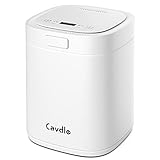
We’ve all been there. The end of a meal, the preparation of another, and the inevitable pile of fruit peels, vegetable trimmings, coffee grounds, and leftovers. This is the unseen burden in our bins, a daily accumulation that, for many, translates into smelly kitchen containers, frequent trips to the trash, and a nagging awareness of contributing to the mountains of food waste that challenge our planet. Globally, a staggering amount of food produced for human consumption is lost or wasted, creating significant greenhouse gas emissions from landfills and squandering precious resources. For those of us striving for a more sustainable lifestyle, particularly in urban settings where traditional composting can be a luxury of space and time, the question looms: is there a better way?

From Ancient Fields to Modern Apartments: A Brief History of Giving Back to the Earth
The wisdom of returning organic matter to the soil is as old as agriculture itself. For millennia, civilizations have understood the value of compost in enriching the earth, turning a farmer’s “waste” into a vital resource. This natural cycle of decomposition, driven by a microscopic army of bacteria, fungi, and other organisms, is an elegant testament to nature’s efficiency.
However, translating this ancient practice into the fabric of modern life, especially in compact city apartments or busy suburban homes, presents hurdles. Traditional composting requires space for bins or piles, a careful balance of “greens” and “browns,” regular turning, and patience – often months – for the transformation to complete. Concerns about attracting pests or managing odors can also be significant deterrents for many. This isn’t a failing of the principle, but rather a mismatch between an age-old method and contemporary constraints.
A New Chapter in Waste Wisdom: The Electric Composter Arrives
Fortunately, human ingenuity continually seeks solutions to such dilemmas. Enter the electric kitchen composter, a category of appliances designed to bring the benefits of composting indoors, without the traditional hassles. These devices aim to accelerate and control the decomposition process within a contained, automated system. As our guide to understanding the science behind this innovative approach, we’ll explore the workings of a specific example: the CAVDLE Electric Compost Bin Kitchen, also known as the Cavdle WasteCycler UF006-E. By examining its described features and the scientific principles they likely employ, we can gain a clearer picture of how technology is reshaping our relationship with kitchen waste.
Decoding the Disappearance Act: What Happens Inside the Cavdle WasteCycler?
At first glance, the promise of transforming a bucketful of diverse food scraps into a small amount of dry, soil-like material in mere hours might seem like magic. But it’s not sorcery; it’s applied science. Let’s peel back the layers of what the Cavdle WasteCycler is described to do.
- The Groundwork: Intelligent Grinding and Why It Matters
The journey often begins, as described for the Cavdle unit, with a process of “Intelligent Grinding.” Imagine a chef meticulously chopping vegetables before cooking; this isn’t just about making things smaller, but about dramatically increasing the surface area. In the context of decomposition or thermal processing, smaller, more uniform particles mean more contact points for heat and any internal mechanisms. This initial maceration is crucial. It breaks down the physical structure of the food waste, making cellulose more accessible and ensuring that the subsequent heating phase can work more efficiently and evenly. This isn’t just pulverizing; it’s preparing the material for a rapid and thorough transformation, setting the stage for the speed and efficiency claimed by such devices.

- The Heart of Transformation: Ultrahigh Temperature – Nature on Fast Forward
The core of the Cavdle WasteCycler’s operation, according to its description, is its “Ultrahigh Temperature Technology.” While the exact temperatures are not specified in the provided information, such systems typically operate at temperatures well above those found in traditional backyard compost piles, often exceeding 70°C (158°F) and potentially reaching over 100°C (212°F) during parts of the cycle. This controlled application of intense heat is designed to achieve several critical outcomes simultaneously, allowing the unit to reportedly process waste in as little as 2 hours and 15 minutes.
- Rapid Decomposition: Heat is a powerful catalyst. It significantly accelerates the chemical reactions that break down complex organic molecules – carbohydrates, proteins, and fats – into simpler compounds. Unlike traditional composting that relies on a succession of microbial communities working over weeks or months, this thermal process forces a much faster breakdown.
- Sterilization: The high temperatures are crucial for pasteurization. They effectively eliminate common household pathogens, bacteria (like E. coli or Salmonella), mold spores, and even weed seeds that might be present in raw food scraps. This makes the resulting output safer to handle and use.
- Dehydration: A large percentage of food waste is water. The sustained high heat drives off this moisture, which is a primary contributor to the dramatic 90% reduction in waste volume that the Cavdle WasteCycler claims to achieve. Removing water also inhibits the growth of odor-causing bacteria that thrive in moist anaerobic conditions.
It’s this carefully managed thermal assault that transforms a diverse collection of wet, odorous scraps into a significantly smaller volume of dry, stabilized material.

- The Scent of Silence: How Activated Carbon Conquers Kitchen Odors
One of the most significant anxieties about managing food waste indoors is the smell. As organic matter decomposes, it releases a cocktail of Volatile Organic Compounds (VOCs) – think of sulfurous compounds from onions or cabbage, or amines from proteins. The Cavdle WasteCycler description highlights an “Odor Neutralized” system, featuring an “Activated Carbon Box.” This is where material science plays a starring role.
Activated carbon is a remarkable material, often made from coconut shells, wood, or coal, that has been processed to be incredibly porous. If you could zoom in to a microscopic level, you’d see a vast network of tunnels and pores, creating an astonishingly large internal surface area. A single gram of activated carbon can have a surface area equivalent to a football field. This structure makes it an exceptional adsorbent.
During the WasteCycler’s operation, air from within the processing chamber, carrying those VOCs, is presumably passed through the activated carbon filter. The VOC molecules are attracted to the carbon surface and become trapped within its intricate pore structure – much like tiny particles getting caught in a highly complex sponge. This process of adsorption effectively scrubs the air of odorous compounds before it is vented, allowing the machine to operate without turning your kitchen into a source of unpleasant smells. The product information also notes that this carbon filter is designed for simple replacement, ensuring the system maintains its odor-trapping efficacy over time.
Designed for Life: When Science Meets Everyday Practicality
The scientific prowess within such a machine must be matched by practical design if it’s to become a welcome addition to a modern home. The Cavdle WasteCycler, as described, incorporates several features aimed at user convenience and a seamless fit into daily routines.
Its 3-liter capacity is presented as sufficient to handle the daily kitchen waste for a family of three meals, striking a balance between processing power and manageable batch sizes. The physical dimensions (9.96″L x 9.96″W x 12.4″H) suggest a compact appliance, designed for countertop placement without demanding excessive space – a key consideration for apartment dwellers or those with smaller kitchens.
User interaction is facilitated by a real-time LCD display, providing information about the remaining working time, which adds a layer of predictability to its operation. And when it comes to cleanup, the detail about the internal bucket being dishwasher friendly is a nod to modern convenience, simplifying maintenance. Furthermore, a claimed operational noise level of just 35dB is noteworthy. For context, 30dB is often compared to a whisper or the ambient sound in a quiet library, suggesting the WasteCycler is designed to operate unobtrusively in a home environment. The availability of “Quick & Standard Modes” also implies a degree of control for the user, perhaps allowing adjustments based on the type or volume of waste being processed.
The Phoenix From the Scraps: What Becomes of Your Food Waste?
After the grinding, heating, and deodorizing, what exactly emerges from the Cavdle WasteCycler? The product information describes the output as “dirt,” though a more scientifically accurate term would be a dry, sterile, concentrated organic material. It’s no longer recognizable food waste but rather a homogenized, soil-like substance.
This transformed material holds potential. While a detailed nutrient analysis of the output from this specific device isn’t provided in the source material, the end product of such thermal decomposition processes generally retains many of the mineral components of the original food scraps (like phosphorus and potassium). Being dry and sterile, it’s easy to store and handle. For those with a green thumb, this material can be a valuable soil amendment for houseplants, balcony container gardens, or even larger community plots. When mixed with soil, it can help improve structure, aid in water retention (though its own moisture content is low, its particulate nature can contribute), and slowly release retained nutrients, effectively closing the loop from kitchen to garden and returning valuable organic matter to the earth.
Beyond Your Countertop: The Quiet Revolution of Reclaiming Waste
The decision to incorporate a device like the Cavdle WasteCycler into one’s home extends beyond mere convenience or a tidier kitchen. It represents an individual participation in a broader, quieter revolution – the movement towards more responsible waste management and resource reclamation.
Each batch of food scraps diverted from a landfill is a small but meaningful victory. Landfills are a significant source of methane, a potent greenhouse gas many times more impactful than carbon dioxide in the short term. By processing food waste at home, the anaerobic decomposition that generates methane in landfills is largely avoided. Instead of contributing to an environmental problem, the waste is transformed into something potentially beneficial.
This practice also fosters a heightened awareness of consumption patterns and waste generation. The tangible act of collecting and processing food scraps can encourage more mindful shopping, cooking, and portioning, further reducing waste at its source. It’s a step towards embracing a more circular economy, where resources are kept in use for as long as possible, their value recovered and regenerated at the end of their service life.

The Kitchen of Tomorrow, Today?
The Cavdle WasteCycler UF006-E, and electric kitchen composters like it, exemplify how technology can offer innovative solutions to long-standing environmental and lifestyle challenges. They represent a fusion of chemistry, physics, and engineering, thoughtfully packaged to empower individuals to make a positive impact directly from their homes.
While no single appliance is a panacea for the global food waste crisis, tools that make sustainable practices more accessible, efficient, and even appealing play a crucial role. By understanding the science that makes such transformations possible, we can better appreciate the ingenuity at work and perhaps feel more inspired to embrace technologies that align with our ecological values, turning the daily task of managing kitchen scraps into an act of environmental stewardship, one cycle at a time.


